Technology and Work Boundaries
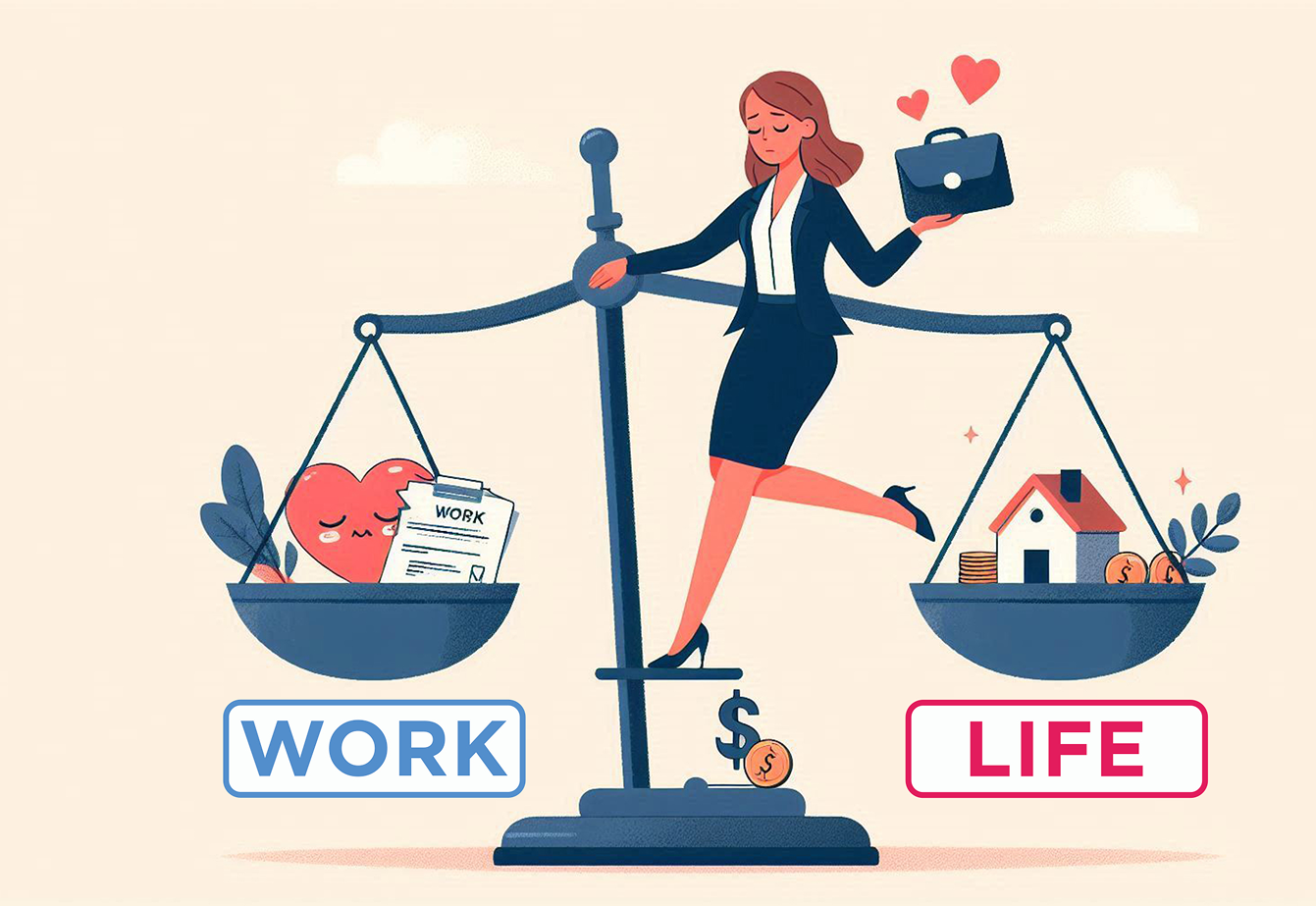
The proliferation of digital technologies has transformed work–life dynamics. Remote communication tools and cloud-based systems enable flexible working but also blur boundaries between professional and personal time. Employees may experience pressure to respond to emails or complete tasks outside standard hours, challenging the ideal of balance.
Advertisement
Managing digital boundaries, such as setting work-hour limits and creating dedicated workspaces at home, is increasingly recognized as critical for sustaining personal well-being and productivity.
Mental Health and Stress Management
Work–life balance is closely linked to mental health outcomes. High workloads, long hours, and limited personal time can contribute to stress, burnout, and decreased job satisfaction. Australian employers are increasingly adopting mental health initiatives, employee assistance programs, and wellness strategies to address these challenges.
Encouraging breaks, promoting flexible scheduling, and fostering supportive workplace cultures are essential measures for maintaining workforce health and productivity.
Societal and Regional Factors
Geography, commuting times, and urban density influence work–life balance. Residents of major cities such as Sydney and Melbourne may face longer commutes and higher living costs, impacting personal time and stress levels. Regional and smaller urban areas often provide shorter travel times, affordable housing, and lifestyle advantages that support better work–life integration.
Cultural expectations, social norms, and community engagement also shape perceptions of balance. Australians generally value leisure, outdoor activities, and family time, influencing individual priorities and organizational policies.
Future Trends and Policy Implications
Emerging trends, including hybrid work models, flexible employment arrangements, and employee wellness programs, suggest ongoing evolution in work–life balance practices. Policymakers and employers are exploring strategies to reduce work-related stress, enhance job satisfaction, and promote inclusive workplaces.
Investments in digital infrastructure, flexible labor policies, and mental health initiatives are critical for enabling sustainable work–life balance across diverse industries and demographic groups.
Conclusion
Work–life balance in Australia is a complex interplay of cultural values, legal entitlements, organizational practices, and individual circumstances. While national policies, flexible work arrangements, and lifestyle priorities support balance for many workers, challenges persist, particularly in high-pressure sectors, urban centers, and roles requiring extended hours. Achieving true work–life balance requires proactive management of work demands, clear boundaries, supportive workplace cultures, and informed policy interventions. For employees, employers, and policymakers, understanding these dynamics is essential to foster sustainable productivity, personal well-being, and overall quality of life.