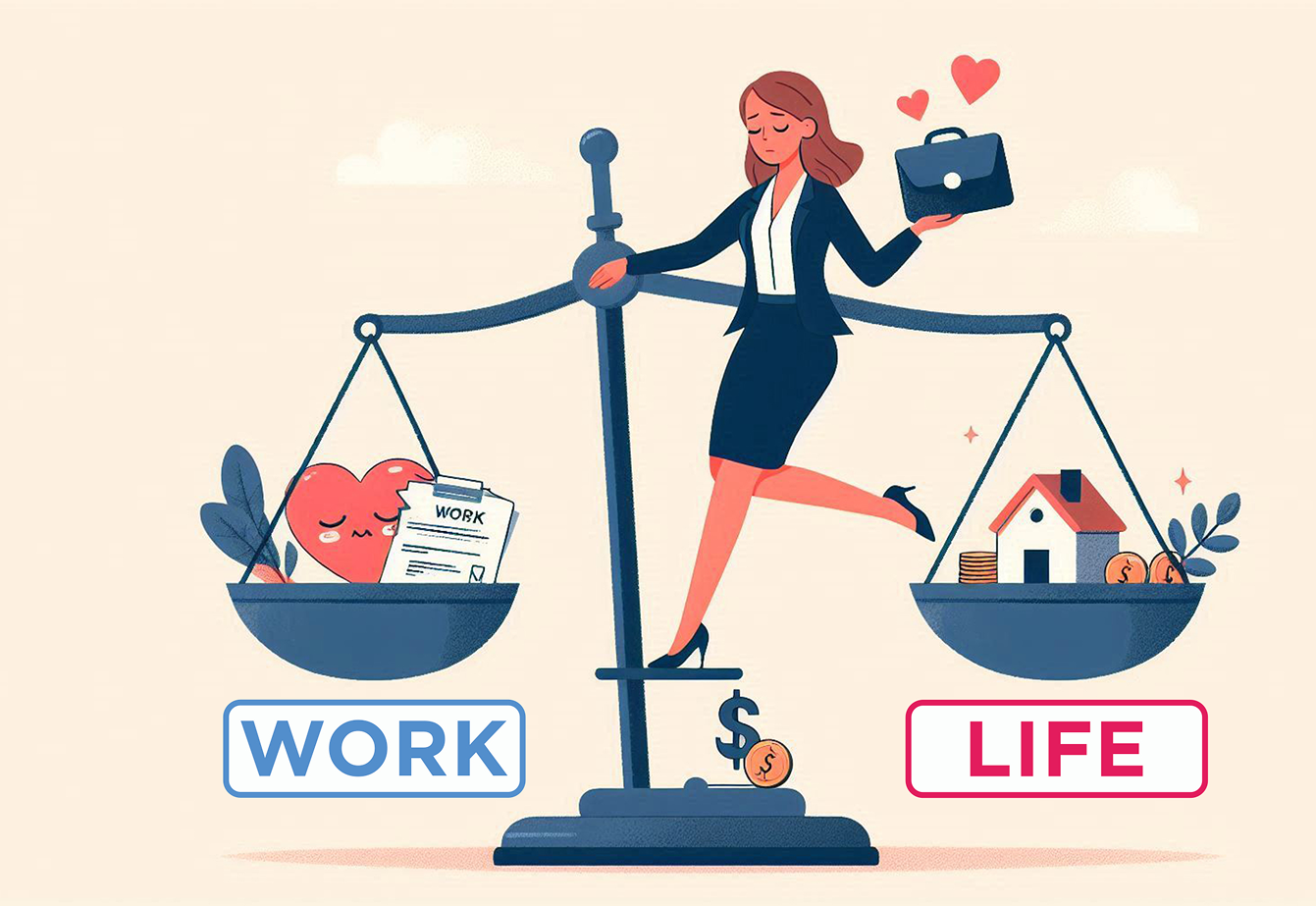
Australia is frequently cited as a country that values work–life balance, offering flexible work arrangements, generous leave policies, and a lifestyle-oriented culture. However, the reality for workers varies across industries, job types, and regions. Understanding the practical realities of work–life balance is essential for employees, employers, and policymakers seeking to promote sustainable work environments and personal well-being.
Advertisement
Concept and Cultural Context
Work–life balance refers to the equilibrium between professional responsibilities and personal life, including family, leisure, health, and social engagement. In Australia, the cultural emphasis on outdoor activities, family time, and community involvement complements formal policies supporting flexibility. The Australian work culture is often perceived as more relaxed compared to countries with longer working hours or stricter hierarchies, contributing to the national reputation for lifestyle quality.
Despite this perception, work–life balance is highly context-dependent. Factors such as industry expectations, organizational culture, and individual career goals shape employees’ experiences and satisfaction levels.
Standard Working Hours and Leave Entitlements
The Fair Work Act establishes standard working hours, typically 38 hours per week for full-time employees, with provisions for overtime, flexible scheduling, and part-time arrangements. Paid annual leave, sick leave, and parental leave entitlements provide legal support for balancing work and personal obligations.
Annual leave generally amounts to four weeks per year, while parental leave can extend to up to 18 weeks, with additional unpaid leave options. These entitlements enable employees to plan time off, manage family responsibilities, and maintain physical and mental health.
Flexible Work Arrangements
Flexible work arrangements are increasingly prevalent across Australian workplaces. Options include remote work, compressed workweeks, job sharing, and flexible start and finish times. These arrangements are particularly common in technology, professional services, and government sectors, supporting employee autonomy and reducing commuting stress.
Employers recognize that flexible arrangements can enhance productivity, retention, and job satisfaction. Legal frameworks allow employees to request flexible work arrangements, though approval may depend on organizational capacity and operational requirements.
Industry-Specific Realities
Work–life balance differs substantially between industries. For example:
-
Healthcare and Emergency Services: Employees often work long, irregular shifts, including nights and weekends, making consistent personal time challenging.
-
Finance and Corporate Roles: High-pressure environments may demand extended working hours, particularly during peak reporting periods or critical projects.
-
Education and Public Service: Generally more structured schedules provide opportunities for work–life balance, though administrative responsibilities can create additional workload pressures.
-
Construction and Trades: Seasonal fluctuations and project deadlines may affect working hours and personal time availability.
These variations underscore that work–life balance is not uniform and depends on job type, employer practices, and career stage.