Home Author
Author

James Anderson

Advertisement

The name of former Australian Prime Minister Bob Hawke has once again found itself in the public spotlight following the publication of court documents related to his estate.

His youngest daughter, Rosslyn Dillon, filed a lawsuit in the New South Wales Supreme Court as part of a dispute over the distribution of assets. In her affidavit, she claims that in the 1980s she was sexually assaulted by former Victorian politician Bill Landeryou, who died earlier this year.

According to published reports, Dillon claims she told her father about the incident, but he allegedly asked her not to go to the police while he was fighting for the leadership of the Labor Party. These allegations are part of her $4 million lawsuit against an estate valued at approximately $18 million.

It is important to note that the events described refer to the 1980s and are cited from documents filed in court. Hawke himself passed away in 2019 and cannot comment on these allegations. He was previously considered one of the most successful prime ministers from the Labour Party, leading the country after the 1983 election.

Sister Dillon’s sister, Sue Pieters-Hawke, told the media that she supports her sister and confirms that the family was aware of her statements in the past. However, she noted that at that time, the matter was not referred to the legal authorities.

Some current politicians, including Tanya Plibersek, declined to comment on specific details due to the ongoing legal proceedings, but emphasized in general terms that any allegations of abuse should be investigated by the competent authorities.

The court proceedings concern not only the distribution of the inheritance, but also the assessment of the circumstances set out in the affidavit. Some publications also point to possible discrepancies in the dates given in the documents, which may be the subject of further examination in court.

The story has caused a public outcry because it involves a politician who has long been one of the key figures in modern Australian history. The final conclusions on the case are to be made by the court.

Advertisement

The Hearings That Shook a Nation
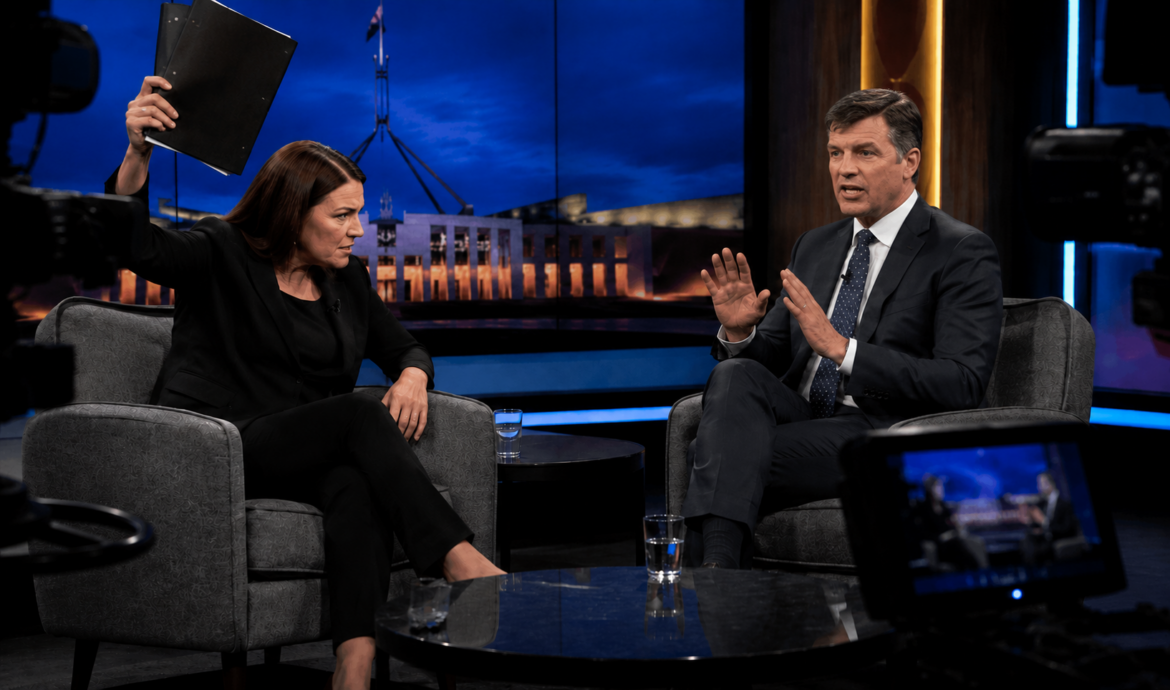
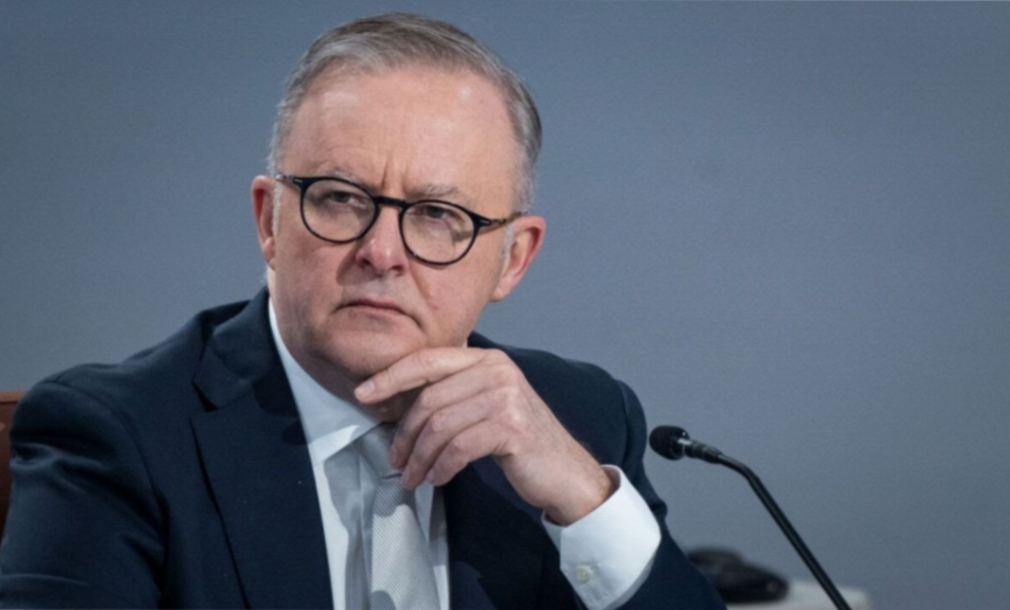
An urgent message about Prime Minister Anthony Albanese has just appeared in news feeds, and it has already sent shockwaves through Australia and beyond. A week of explosive Senate hearings has unexpectedly become a moment of truth for his government, exposing backstabbing, concealment of information, and unfulfilled promises. Under oath and in live broadcasts, a picture emerged of a government that, according to the opposition, is causing Australians to “pay the real price for a government that talks more than it acts.” From national security failures to the cost-of-living crisis, the revelations have resonated worldwide, and the scandal involving Anthony Albanese continues to gain momentum.

What Happened When Anthony Albanese Revealed the Truth?
Although the Prime Minister himself did not make any direct admissions, it was the answers given by his own ministers that shed light on decisions long shrouded in secrecy. Opposition leader Michaela Cash delivered a damning verdict: “The Albanese government has shown itself to be a government that prefers to keep Australians in the dark on matters of vital importance.” The facts presented in the Senate, she claims, directly contradict Albanese’s public statements and undermine confidence in his word.

The Truth That Was Hidden for Over a Year
One of the most controversial revelations was the government’s admission that it knew about the return of ISIS fighters’ wives and children to Australia several months before officially acknowledging it. Despite media reports and direct questions from the opposition, the information had been concealed since June and was only confirmed during the hearings. Even then, the government refused to disclose key details, leaving Australians in the dark about how many more returns are expected and when.

No One Expected How Things Would Turn Out for Anthony Albanese
The public’s attention was riveted by moments during the live broadcast when discussions of the most sensitive topics were accompanied by technical pauses and nervous reactions from officials. Social media erupted with speculation about behind-the-scenes comments and the government’s apparent unpreparedness for such tough questions.

After Anthony Albanese’s Statement, the Broadcast Was Unexpectedly Interrupted
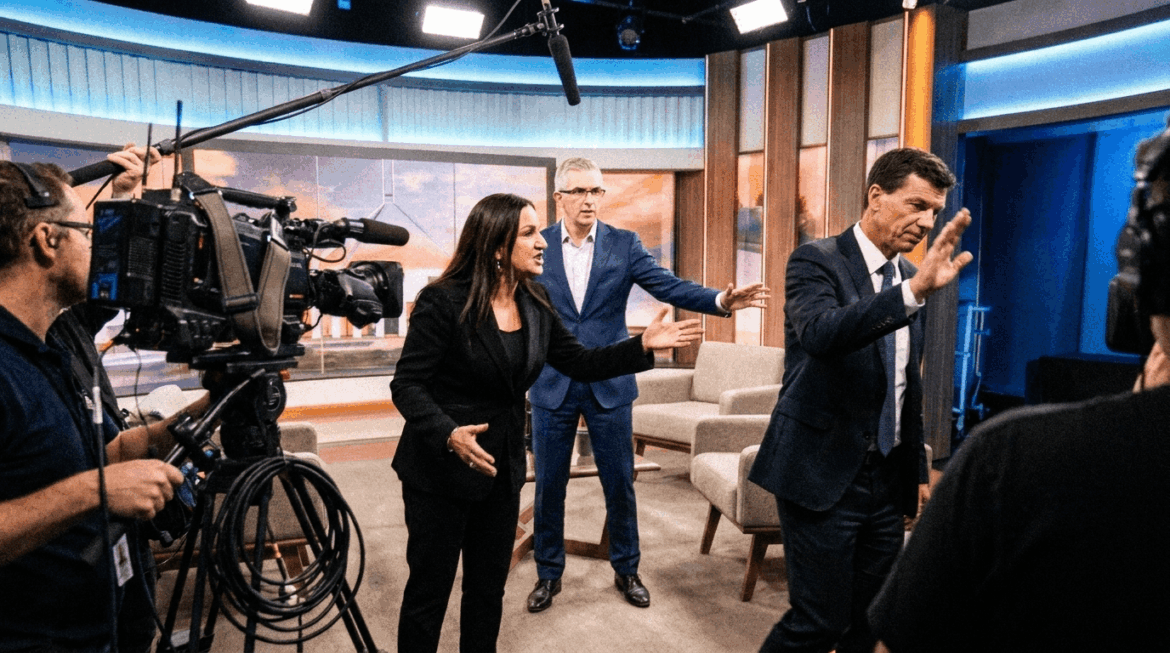
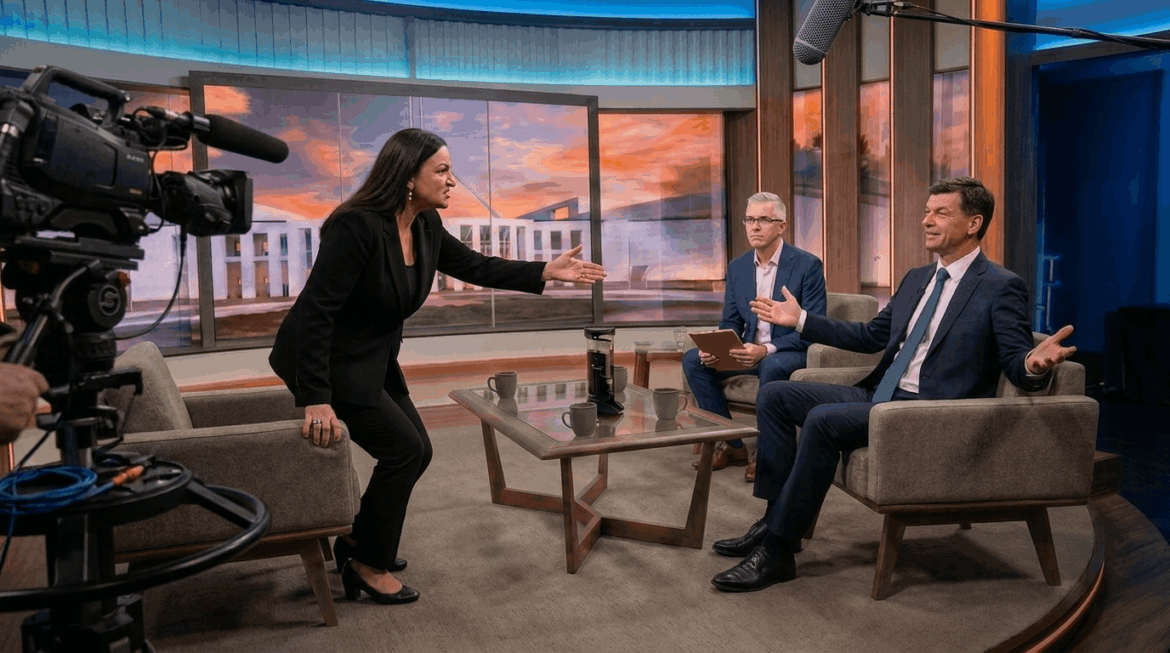
Dramatic scenes unfolded live on air. As a minister struggled to answer questions about the Optus Triple Zero emergency call service failure—revealing that the government had received a warning letter the day before the crisis but did nothing—the feed suddenly went silent. The broadcast was unexpectedly interrupted. Viewers around the country were left staring at a blank screen. Did Anthony Albanese not know the microphone was still on? The atmosphere of uncertainty has only reinforced public mistrust.

Anthony Albanese Demonstrated a Prohibited Platform on Live Television
Adding fuel to the fire, political talk shows and discussions following the hearings actively used materials from independent analytical platforms and alternative sources of data on the budget and inflation. This gave rise to sensational headlines about “inconvenient information” suddenly appearing on air, with some commentators labeling these sources as “prohibited platforms.” While unconfirmed, the claim has added a layer of intrigue to an already explosive story.

The Scandal Involving Anthony Albanese Continues to Gain Momentum
Far from dying down, the controversy is escalating. The healthcare issue proved particularly painful: officials acknowledged that millions of Australians would continue to pay out of pocket for doctor visits, and that real improvements from government investment would only be felt after the next election. This contrasts sharply with Albanese’s promises of “free access to general practitioners.”

Simultaneously, the Reserve Bank chief warned that inflation could be higher than forecast, while the Treasury admitted it has no clear quantitative fiscal rules. Economists and the opposition declared that Labor had effectively abandoned decades of budget discipline.

What Anthony Albanese Said Shocked Canadians!
The reaction to these events spread far beyond Australia. Canadian commentators and economists took note of the admissions about fiscal policy and inflationary risks, comparing them to their own debates about the cost of living and the role of government.

“It’s Over”
A phrase that went viral after discussions on the internet reflects the mood of a growing part of society: Australians’ patience is running out. The Senate hearings showed that loud promises were often followed by delays, secrecy, and controversial decisions. For Anthony Albanese, this has become one of his most serious political tests.

Did Anthony Albanese Publicly Repent for What He Said?
In the wake of the chaos, a surprising question has emerged. Sources suggest that behind closed doors, the Prime Minister has expressed regret over the fallout. While his office has not confirmed a formal apology, those close to the government indicate deep concern about the political damage. Whether this constitutes public repentance or simply damage control remains a subject of intense debate. The more facts come to light, the more obvious it becomes that it is no longer possible to hide the problems behind rhetoric.

What Happens Now?
An urgent message about Anthony Albanese appeared just minutes ago, and the situation is evolving rapidly. With the broadcast interrupted, allegations of a “prohibited platform” mentioned on air, and questions of repentance hanging in the balance, one thing is clear—the nation is watching, and this political crisis is far from over.

Advertisement

The Statement That Shook the World
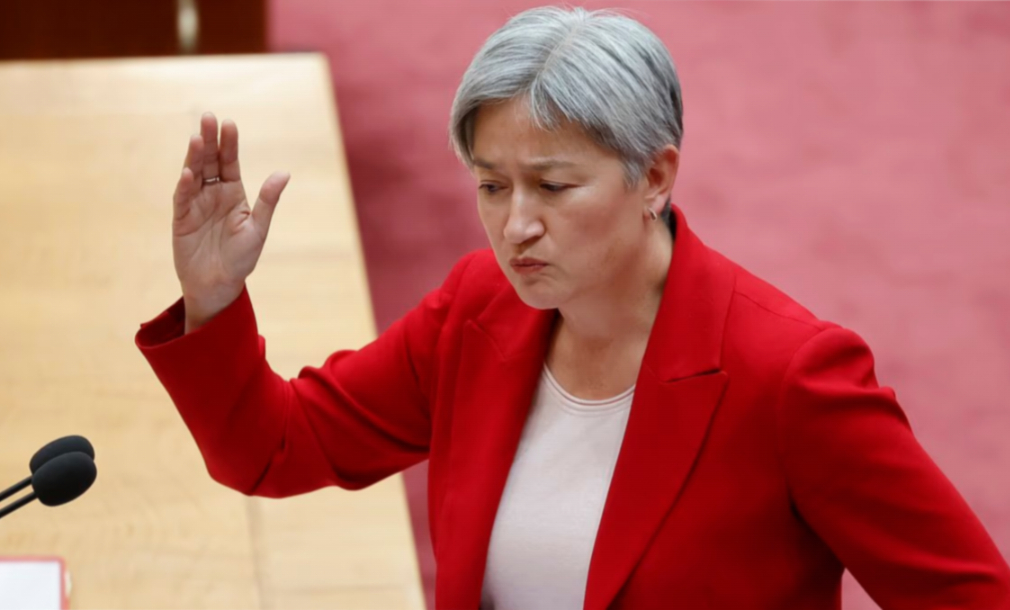
An urgent message about Australian Foreign Minister Penny Wong has just appeared in news feeds, and it has already sent shockwaves around the globe. What happened when Penny Wong revealed the truth about Afghanistan? Her recent public statement has sparked a storm of reactions from politicians, human rights activists, and millions of social media users. The world is shocked, and the scandal continues to gain momentum.

What Did Penny Wong Say?
In her address, Wong delivered a stark assessment of the situation in Afghanistan, directly pointing to the “Taliban’s inability to meet the basic needs of the population.” She described the country as experiencing one of the most severe and protracted humanitarian crises in the world, with millions of people lacking access to food, medical care, and income. “The people of Afghanistan are experiencing a humanitarian crisis of catastrophic proportions, exacerbated by the actions and inaction of the current leadership,” Wong stated. These words instantly went viral, putting Afghanistan back at the center of the global agenda.

No One Expected What Happened to Penny Wong
However, the real shock came after the official statement. Sources report that during a subsequent television interview, the situation took an unexpected turn. Wong, speaking more candidly than ever before about the restrictions faced by Afghan women and the scale of the crisis, made comments that seemed to acknowledge the international community’s failure to act. It was a moment of raw honesty that no one anticipated from a top diplomat.

After Penny Wong’s Statement, the Broadcast Was Unexpectedly Interrupted
Dramatic scenes unfolded live on air. As Wong delivered an emotional comment about “the regime’s failure to ensure basic human rights,” the feed was suddenly cut. Viewers around the world were left staring at a blank screen. The broadcast was unexpectedly interrupted, sparking immediate speculation about censorship. Did Penny Wong not know the microphone was still on? Social media exploded with theories that the minister had revealed too much, leading to the abrupt halt.

Penny Wong Demonstrated a Prohibited Platform on Live Television
Adding fuel to the fire, eagle-eyed viewers noticed that during the brief interview, Wong referred to data and reports from independent international humanitarian organizations. Some commentators have labeled these as “inconvenient sources” for certain regimes, and headlines are now circulating that Wong demonstrated a “prohibited platform” on live television. While unconfirmed, the claim has added a layer of intrigue to an already explosive story.

Penny Wong Publicly Repented for What She Said?
In the wake of the chaos, a surprising twist has emerged. Following the backlash and the interrupted broadcast, sources suggest that Wong has expressed regret over the fallout from her words. While her office has not confirmed a formal apology, those close to the minister indicate she is concerned about the diplomatic repercussions. Whether this constitutes public repentance or simply damage control remains a subject of intense debate.

The Scandal Involving Penny Wong Continues to Gain Momentum
Far from dying down, the controversy is escalating. In response to Wong’s statements, Australia has announced an additional $50 million in humanitarian aid, bringing its total contribution since the fall of Kabul to $310 million. Meanwhile, the European Union has also joined the conversation, announcing €10 million for women’s economic programs in Afghanistan. Canadian politicians and human rights activists are quoting Wong’s words to pressure their own governments.

What Happens Now?
An urgent message about Penny Wong appeared just minutes ago, and the situation is evolving rapidly. The minister’s words have done what few statements have managed in recent years: they have reignited a global conversation about Afghanistan. With the broadcast interrupted, a “prohibited platform” mentioned on air, and questions of repentance hanging in the air, one thing is clear—the world is watching, and this scandal is far from over.

Advertisement

Discussions have erupted around Guy Sebastian’s participation in the new season of The Voice Australia after behind-the-scenes comments about his behavior on set emerged. These are not confirmed violations, but rather the opinions of individual sources who claim that the artist has become more demanding and emotional during long shooting days.
According to insiders, during preliminary recordings, some team members got the impression that the musician was tired of the format. This led to sensational statements such as “the scandal surrounding the open microphone” — emotional remarks made outside of the main recording allegedly became the subject of conversation. There has been no official confirmation of any incidents with the broadcast or technical malfunctions.

Guy Sebastian has been a mentor for six seasons. By comparison, many other coaches have left the project earlier. Long-term work in this format is indeed associated with a busy schedule, the constant presence of cameras, and high expectations from producers and viewers.

Some sources suggest that the artist may have reconsidered his public statements about the behind-the-scenes workings of the show. Phrases such as “regretted his candor” or “repented for what he said publicly” in this context refer to discussions about possible fatigue with the format and differences in production conditions after the change of TV channel, rather than any illegal actions.

There were also sensational headlines about an “urgent announcement” or “unexpected broadcast interruption.” At this point, there is no official information about any emergencies — we are talking about editorial breaks and technical adjustments, which often occur during the recording of television programs.

Representatives of the TV channels and the artist himself have not publicly confirmed any serious conflicts. The project continues to air, and ratings remain a subject of competition between channels.

Thus, the discussion surrounding Guy Sebastian is primarily related to the behind-the-scenes atmosphere and work processes on the popular television show. There is no mention of any prohibited actions or confirmed violations, and the sensational headlines reflect the media nature of coverage of such stories.


Advertisement

In Australia, many people over the age of 50 may be entitled to insurance payments that they simply don’t know about. This is not about “new handouts,” but about existing insurance policies and superannuation savings that were taken out years ago.

Pensioners over 50, rejoice: pensions are going up!

State pension increases are based on established indexation rules. However, in addition to this, some citizens may be entitled to additional insurance payments — for example, for life insurance, total and permanent disability (TPD), or income protection built into their super fund.

Such payments are not automatic — they depend on the terms of the specific contract and the individual situation.

You are entitled to €1,931! Check your details here!

There is no single fixed amount that applies to everyone. The amount of the possible payment is determined by the terms of the insurance policy, the length of participation, and the occurrence of an insured event.

Experts recommend checking:

active and old insurance policies;

the existence of insurance within superannuation;

possible unclaimed funds;

the correctness of the specified beneficiaries.

The check should be carried out exclusively through the official channels of the insurance company or through government services related to the register of unclaimed funds.

Good news! Pensioners aged 55 will receive a supplement!

After reaching the age of 55, the terms and conditions of some policies change — for example, you become eligible to apply for certain types of insurance payments or change the structure of your coverage. This depends on the specific insurer and the type of contract.

It is important to carefully study the terms and conditions or consult directly with a licensed specialist.

People born before 1970 will receive €1,500!

The date of birth itself does not automatically entitle you to a fixed amount. However, people born before 1970 are more likely to have older insurance contracts with different conditions for calculating bonuses or savings components.

In some cases, holders of such policies may find:

accumulated bonuses;

the right to partial withdrawal of funds;

the possibility of applying for insurance payments when the relevant conditions are met.

Key point: any insurance payments depend solely on the terms of the specific contract and confirmation of the right to receive funds. Before submitting an application, it is recommended to contact only official sources and licensed representatives.

Advertisement

Australian Minister for Foreign Affairs and Senator for South Australia, Penny Wong, took to X to express her dismay at the plight of people in Afghanistan and Taliban’s leadership.

In a post on X, she wrote, “The people of Afghanistan are enduring one of the world’s worst protracted humanitarian crises, exacerbated by the Taliban’s failure to meet basic needs. In response, the Australian Government will provide a further $50 million in support through established UN partners.”

She spoke about Australian aid to Afghanistan through its “UN partners.”

In a statement released on X, Wong said, “This brings the total humanitarian support provided to the people of Afghanistan since the fall of Kabul in 2021 to $310 million… Almost 22 million people in Afghanistan are in urgent need of humanitarian support.”

As Afghan women continue to face barriers to employment amid social and economic restrictions, the European Union too had announced 10 million euros in funding for the second phase of its Women’s Economic Empowerment through Local Enterprise Development programme in Afghanistan, Tolo News reported.

The EU said the initiative will be implemented in partnership with the United Nations Development Programme and local Afghan institutions, with a focus on strengthening livelihoods, generating income opportunities and enhancing women’s participation in the economy.

According to Tolo News, the EU noted in a statement that “The project promotes culturally appropriate and Sharia-compliant financial mechanisms combined with business development support, mentorship, and market linkages.”

The European Union also announced that it will allocate EUR10 million to launch the second phase of its Women’s Economic Empowerment through Local Enterprise Development program in Afghanistan, according to a report by Tolo News.

According to Tolo News, citing the EU, the program will be implemented in cooperation with the United Nations Development Programme and local Afghan institutions, aiming to improve livelihoods, create income opportunities, and support the economic role of women.

The statement issued by the European External Action Service on January 22 said that the new phase builds on the results and lessons of WE-LEAD Phase I and UNDP’s Area Based Approach for Development Emergency Initiatives ABADEI. (ANI)

Advertisement

Australia is widely recognized as a culturally diverse nation, shaped by centuries of immigration, Indigenous heritage, and global influences. Cultural diversity is a defining feature of modern Australian society, influencing social norms, economic development, education, and public policy. Understanding the dynamics of diversity is essential for residents, policymakers, and organizations operating in this multicultural context.

Historical Context of Diversity

Australia’s cultural landscape has evolved over centuries. Indigenous Australians, including Aboriginal and Torres Strait Islander peoples, are the original custodians of the land, with rich traditions, languages, and spiritual connections to their environment. European colonization beginning in the late 18th century brought new cultural influences, initially dominated by British customs, language, and governance.

Subsequent waves of immigration from Europe, Asia, the Middle East, and Africa have shaped the nation’s demographic profile. Post-World War II migration programs encouraged settlement from Southern and Eastern Europe, while later policies facilitated migration from Asia and other regions, fostering multiculturalism as a national value.

Multicultural Policy and Social Integration

Australia officially adopted multicultural policies in the 1970s, promoting inclusion, equity, and social cohesion. These policies support cultural expression, anti-discrimination measures, and integration of diverse communities into mainstream society. Government initiatives focus on language services, cultural competency, and community engagement to facilitate participation in economic, social, and political life.

Multiculturalism influences public institutions, schools, and workplaces, encouraging cultural awareness and creating inclusive environments. It also underpins debates on national identity, social cohesion, and civic responsibility, highlighting the balance between cultural preservation and integration.

Demographics and Migration Trends

Australia’s population is highly diverse, with nearly one-third of residents born overseas. Major cities such as Sydney, Melbourne, Brisbane, and Perth host significant immigrant communities, reflecting global migration patterns. Recent migration trends emphasize skilled migration, family reunification, and humanitarian programs, contributing to population growth, workforce development, and cultural vibrancy.

This demographic diversity enriches Australian society through varied languages, culinary traditions, festivals, and artistic expressions. It also shapes consumer markets, education, and labor dynamics, influencing social and economic policies at local and national levels.

Pages: 1 2

Advertisement

Australia is renowned for its high-quality education system, attracting both domestic and international students to its universities. The higher education sector is diverse, innovative, and globally competitive, offering a wide range of academic programs, research opportunities, and student experiences. Understanding the structure, academic environment, and student life is crucial for prospective students, educators, and policymakers.

Overview of Australian Higher Education

Australia’s university system consists of 43 universities, including research-intensive Group of Eight institutions and regional universities with specialized programs. The sector is regulated by the Tertiary Education Quality and Standards Agency (TEQSA), ensuring consistent academic standards, accreditation, and quality assurance.

Universities offer undergraduate, postgraduate, and doctoral programs across various fields, including science, engineering, business, arts, health, and social sciences. Flexible learning modes, including online and blended programs, accommodate a diverse student population with different academic and personal needs.

Admission and Academic Structure

Admission to Australian universities is based on academic performance, standardized testing, and, in some cases, English language proficiency. Domestic students are typically assessed through high school results and the Australian Tertiary Admission Rank (ATAR), while international students must meet comparable qualifications and English proficiency standards.

The academic year usually comprises two main semesters, with some institutions offering trimester options. Undergraduate programs typically last three to four years, while postgraduate programs range from one to two years. Doctoral and research-focused programs vary in duration depending on field and research scope.

Research and Innovation

Australian universities are recognized for their strong research output and global collaboration. Research-intensive institutions contribute to innovation in areas such as medicine, engineering, technology, environmental sciences, and social policy. Funding comes from government grants, industry partnerships, and international collaborations, fostering a culture of academic excellence and applied research.

Students often have opportunities to participate in research projects, internships, and collaborative initiatives, enhancing skills, employability, and academic development. Universities also emphasize innovation hubs and entrepreneurship programs, supporting student-led ventures and technology commercialization.

International Students and Cultural Diversity

Australia hosts a significant population of international students, making higher education a major economic and cultural contributor. International students enrich campus diversity, promote cross-cultural exchange, and strengthen global networks. Popular study destinations include Sydney, Melbourne, Brisbane, and Perth, offering access to quality programs and urban lifestyle amenities.

Support services, including orientation programs, academic advising, and language assistance, help international students adapt to the academic environment. Universities actively promote inclusive campus communities and provide resources to support mental health, accommodation, and career development.

Pages: 1 2

Advertisement

Australia’s healthcare system is widely recognized for its accessibility, quality, and efficiency. It is structured around a combination of public and private healthcare services, providing residents with options for medical care based on needs, preferences, and financial considerations. Understanding the differences, benefits, and limitations of public versus private healthcare is essential for patients, policymakers, and healthcare professionals.

Overview of Australia’s Healthcare System

Australia operates a dual healthcare system comprising public services funded through taxation and private services funded through insurance or out-of-pocket payments. Public healthcare, provided under the Medicare system, ensures essential medical services are accessible to all citizens and permanent residents. Private healthcare supplements public provisions, offering faster access to specialists, elective surgeries, and private hospital facilities.

This combination allows the system to balance equity, efficiency, and patient choice while accommodating rising demand, technological advancements, and an aging population.

Public Healthcare: Medicare

Medicare is the cornerstone of Australia’s public healthcare system. It covers essential services including general practitioner visits, hospital treatment, and certain prescription medications. Medicare ensures that residents can access necessary care without direct financial barriers, promoting equity and reducing health disparities.

Public hospitals provide free treatment for inpatients and emergency services. Outpatient care and preventive services are also widely accessible, ensuring that early intervention and chronic disease management are prioritized. While Medicare provides broad coverage, waiting times for elective procedures and specialist consultations can be significant, particularly in high-demand urban areas.

Private Healthcare: Insurance and Access

Private healthcare in Australia is funded through private insurance premiums, employer contributions, and out-of-pocket payments. Private hospitals and clinics offer patients greater choice in selecting doctors, scheduling elective surgeries, and accessing additional amenities. This system is particularly attractive to individuals seeking expedited treatment, specialized care, or enhanced comfort during hospitalization.

Private health insurance is encouraged through government policies, including rebates and the Medicare Levy Surcharge, which incentivize higher-income earners to maintain coverage. Coverage typically includes elective surgery, dental care, physiotherapy, and optical services, though policies vary widely based on provider and plan.

Differences in Waiting Times and Access

One of the most significant distinctions between public and private healthcare is access and waiting times. Public patients may face longer waits for non-urgent elective procedures, specialist appointments, and diagnostic imaging due to high demand and resource allocation priorities. Private patients generally experience shorter waiting times, quicker access to specialists, and more flexible scheduling options.

Emergency care and urgent medical treatment, however, remain accessible to all patients through public hospitals, ensuring that critical healthcare needs are met regardless of insurance status.

Pages: 1 2

Advertisement

Australia is frequently cited as a country that values work–life balance, offering flexible work arrangements, generous leave policies, and a lifestyle-oriented culture. However, the reality for workers varies across industries, job types, and regions. Understanding the practical realities of work–life balance is essential for employees, employers, and policymakers seeking to promote sustainable work environments and personal well-being.

Concept and Cultural Context

Work–life balance refers to the equilibrium between professional responsibilities and personal life, including family, leisure, health, and social engagement. In Australia, the cultural emphasis on outdoor activities, family time, and community involvement complements formal policies supporting flexibility. The Australian work culture is often perceived as more relaxed compared to countries with longer working hours or stricter hierarchies, contributing to the national reputation for lifestyle quality.

Despite this perception, work–life balance is highly context-dependent. Factors such as industry expectations, organizational culture, and individual career goals shape employees’ experiences and satisfaction levels.

Standard Working Hours and Leave Entitlements

The Fair Work Act establishes standard working hours, typically 38 hours per week for full-time employees, with provisions for overtime, flexible scheduling, and part-time arrangements. Paid annual leave, sick leave, and parental leave entitlements provide legal support for balancing work and personal obligations.

Annual leave generally amounts to four weeks per year, while parental leave can extend to up to 18 weeks, with additional unpaid leave options. These entitlements enable employees to plan time off, manage family responsibilities, and maintain physical and mental health.

Flexible Work Arrangements

Flexible work arrangements are increasingly prevalent across Australian workplaces. Options include remote work, compressed workweeks, job sharing, and flexible start and finish times. These arrangements are particularly common in technology, professional services, and government sectors, supporting employee autonomy and reducing commuting stress.

Employers recognize that flexible arrangements can enhance productivity, retention, and job satisfaction. Legal frameworks allow employees to request flexible work arrangements, though approval may depend on organizational capacity and operational requirements.

Industry-Specific Realities

Work–life balance differs substantially between industries. For example:

  • Healthcare and Emergency Services: Employees often work long, irregular shifts, including nights and weekends, making consistent personal time challenging.

  • Finance and Corporate Roles: High-pressure environments may demand extended working hours, particularly during peak reporting periods or critical projects.

  • Education and Public Service: Generally more structured schedules provide opportunities for work–life balance, though administrative responsibilities can create additional workload pressures.

  • Construction and Trades: Seasonal fluctuations and project deadlines may affect working hours and personal time availability.

These variations underscore that work–life balance is not uniform and depends on job type, employer practices, and career stage.

Pages: 1 2

Advertisement

Newer Posts
logo

Disclaimer: This website provides information for informational purposes only and accepts no responsibility for decisions made by users. We recommend that you carefully review all details and consult a professional.

All rights reserved © 2026