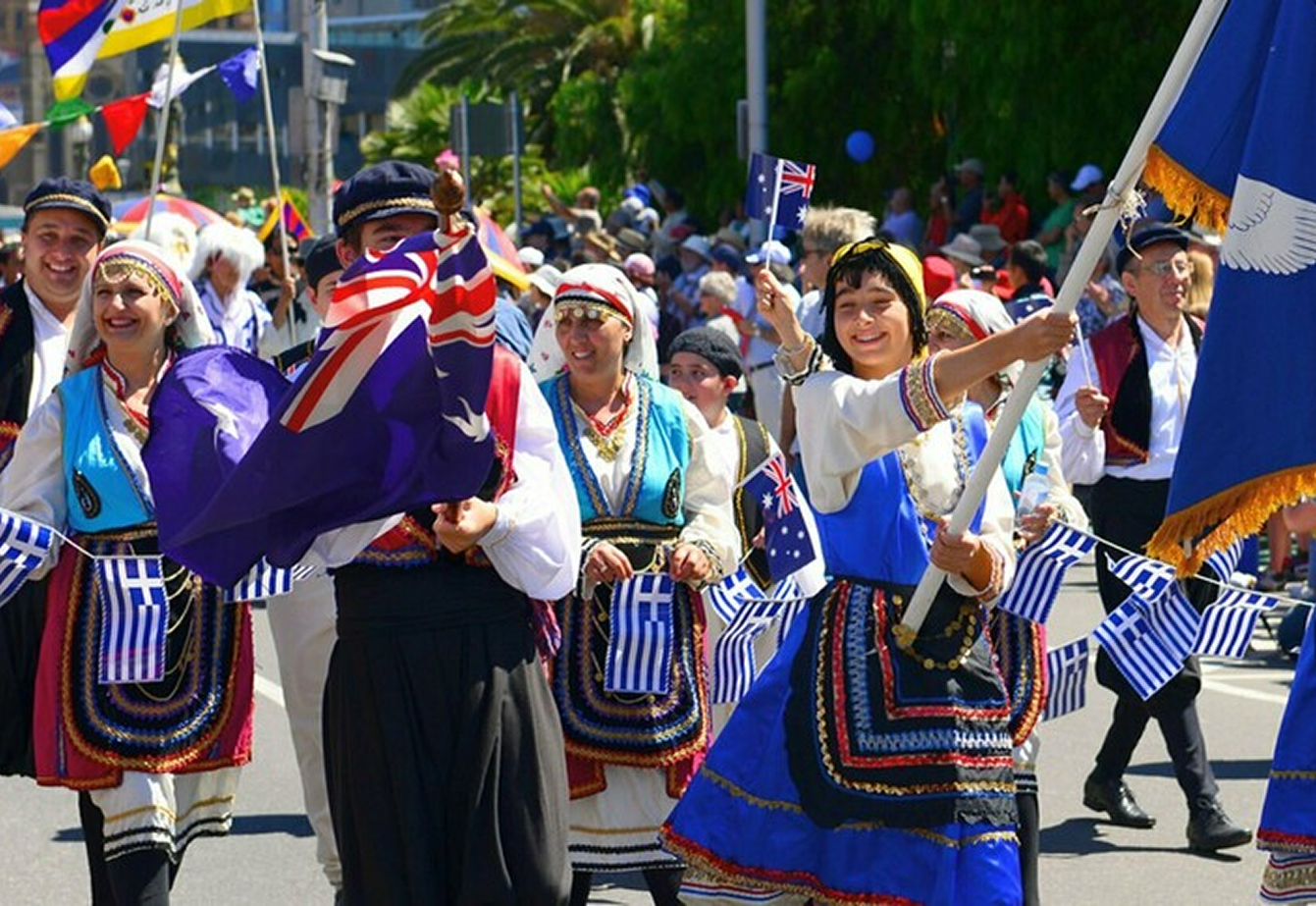
Australia is widely recognized as a culturally diverse nation, shaped by centuries of immigration, Indigenous heritage, and global influences. Cultural diversity is a defining feature of modern Australian society, influencing social norms, economic development, education, and public policy. Understanding the dynamics of diversity is essential for residents, policymakers, and organizations operating in this multicultural context.
Advertisement
Historical Context of Diversity
Australia’s cultural landscape has evolved over centuries. Indigenous Australians, including Aboriginal and Torres Strait Islander peoples, are the original custodians of the land, with rich traditions, languages, and spiritual connections to their environment. European colonization beginning in the late 18th century brought new cultural influences, initially dominated by British customs, language, and governance.
Subsequent waves of immigration from Europe, Asia, the Middle East, and Africa have shaped the nation’s demographic profile. Post-World War II migration programs encouraged settlement from Southern and Eastern Europe, while later policies facilitated migration from Asia and other regions, fostering multiculturalism as a national value.
Multicultural Policy and Social Integration
Australia officially adopted multicultural policies in the 1970s, promoting inclusion, equity, and social cohesion. These policies support cultural expression, anti-discrimination measures, and integration of diverse communities into mainstream society. Government initiatives focus on language services, cultural competency, and community engagement to facilitate participation in economic, social, and political life.
Multiculturalism influences public institutions, schools, and workplaces, encouraging cultural awareness and creating inclusive environments. It also underpins debates on national identity, social cohesion, and civic responsibility, highlighting the balance between cultural preservation and integration.
Demographics and Migration Trends
Australia’s population is highly diverse, with nearly one-third of residents born overseas. Major cities such as Sydney, Melbourne, Brisbane, and Perth host significant immigrant communities, reflecting global migration patterns. Recent migration trends emphasize skilled migration, family reunification, and humanitarian programs, contributing to population growth, workforce development, and cultural vibrancy.
This demographic diversity enriches Australian society through varied languages, culinary traditions, festivals, and artistic expressions. It also shapes consumer markets, education, and labor dynamics, influencing social and economic policies at local and national levels.