Home Finance
Category:

Finance

Advertisement

Australian Minister for Foreign Affairs and Senator for South Australia, Penny Wong, took to X to express her dismay at the plight of people in Afghanistan and Taliban’s leadership.

In a post on X, she wrote, “The people of Afghanistan are enduring one of the world’s worst protracted humanitarian crises, exacerbated by the Taliban’s failure to meet basic needs. In response, the Australian Government will provide a further $50 million in support through established UN partners.”

She spoke about Australian aid to Afghanistan through its “UN partners.”

In a statement released on X, Wong said, “This brings the total humanitarian support provided to the people of Afghanistan since the fall of Kabul in 2021 to $310 million… Almost 22 million people in Afghanistan are in urgent need of humanitarian support.”

As Afghan women continue to face barriers to employment amid social and economic restrictions, the European Union too had announced 10 million euros in funding for the second phase of its Women’s Economic Empowerment through Local Enterprise Development programme in Afghanistan, Tolo News reported.

The EU said the initiative will be implemented in partnership with the United Nations Development Programme and local Afghan institutions, with a focus on strengthening livelihoods, generating income opportunities and enhancing women’s participation in the economy.

According to Tolo News, the EU noted in a statement that “The project promotes culturally appropriate and Sharia-compliant financial mechanisms combined with business development support, mentorship, and market linkages.”

The European Union also announced that it will allocate EUR10 million to launch the second phase of its Women’s Economic Empowerment through Local Enterprise Development program in Afghanistan, according to a report by Tolo News.

According to Tolo News, citing the EU, the program will be implemented in cooperation with the United Nations Development Programme and local Afghan institutions, aiming to improve livelihoods, create income opportunities, and support the economic role of women.

The statement issued by the European External Action Service on January 22 said that the new phase builds on the results and lessons of WE-LEAD Phase I and UNDP’s Area Based Approach for Development Emergency Initiatives ABADEI. (ANI)


Advertisement

Australia’s superannuation system is a cornerstone of retirement planning, designed to ensure financial security for residents in their post-working years. Understanding how it operates, its regulatory framework, and the strategies for optimizing contributions is essential for both employed and self-employed individuals. In 2026, the system continues to evolve, reflecting demographic changes, economic conditions, and government policy adjustments.

What is Superannuation?

Superannuation, commonly referred to as “super,” is a compulsory savings system in Australia aimed at providing income during retirement. Contributions are made by employers, employees, and, in some cases, the government, into a dedicated superannuation fund. These funds are invested across various asset classes, including equities, bonds, property, and cash, to generate returns over time.

The purpose of superannuation is to reduce reliance on the age pension and encourage self-sufficiency in retirement. Contributions are generally preserved until retirement age, with limited access prior to specific circumstances such as severe financial hardship or medical conditions.

How Contributions Work

The foundation of the superannuation system is employer contributions. Under current legislation, employers are required to contribute a percentage of an employee’s ordinary earnings into a super fund. This rate, known as the Superannuation Guarantee (SG), is periodically reviewed and adjusted by the government.

Employees may also make voluntary contributions, either before-tax (salary sacrifice) or after-tax, to increase their retirement savings. Government co-contributions may be available for eligible low- and middle-income earners who make personal contributions, providing an additional incentive to save. Understanding the types of contributions and their tax treatment is essential for effective retirement planning.

Investment Options and Fund Types

Superannuation funds offer a range of investment options, allowing members to align their risk tolerance with expected returns. Conservative options focus on lower-risk assets such as bonds and cash, while balanced or growth options include equities and property with higher potential returns and associated volatility.

Residents can choose between industry funds, retail funds, public sector funds, or self-managed superannuation funds (SMSFs). Each fund type has specific features, fees, and governance structures. Selection depends on individual preferences, financial literacy, and investment goals, making informed decision-making critical.

Taxation and Superannuation

The Australian superannuation system benefits from favorable tax treatment, which incentivizes long-term savings. Contributions made before-tax are generally taxed at a concessional rate, typically lower than marginal income tax rates. Investment earnings within the super fund are taxed at a reduced rate, and withdrawals in retirement are often tax-free for those meeting age and preservation requirements.

Understanding the tax implications of contributions, investment earnings, and withdrawals allows residents to maximize benefits while ensuring compliance with regulatory rules. Tax planning in conjunction with superannuation strategy can significantly enhance retirement outcomes.

Accessing Superannuation

Superannuation is generally preserved until reaching the “preservation age,” which varies depending on birth year but typically ranges between 55 and 60. Upon reaching preservation age and retiring, members can access their super through lump-sum payments, regular income streams, or account-based pensions.

Limited access before retirement is possible under specific circumstances, including financial hardship, severe medical conditions, or compassionate grounds. Understanding the rules surrounding preservation and withdrawal ensures that members can make informed decisions about liquidity and retirement income planning.

Pages: 1 2

Advertisement

Managing personal finances in Australia requires careful planning, awareness of local economic conditions, and an understanding of the financial tools and services available. With the cost of living rising in major cities and regional areas, residents must navigate expenses such as housing, utilities, transport, and healthcare while building savings and preparing for future financial needs. Effective financial management is essential for achieving stability and long-term security.

Understanding the Cost of Living

The first step in personal financial planning is understanding the cost of living in Australia. Housing costs, including rent or mortgage repayments, often account for the largest portion of household expenses. Urban centers like Sydney and Melbourne are particularly expensive, while regional areas may offer more affordable options. Utilities, food, transport, and healthcare further influence monthly budgets.

Creating a detailed budget that reflects both fixed and variable expenses allows individuals to track spending, identify areas for adjustment, and allocate funds toward savings and investment. Understanding the cost of living provides the foundation for informed financial decisions.

Budgeting and Expense Management

Effective budgeting is essential to manage personal finances. Australians are encouraged to adopt a structured approach, categorizing expenses into necessities, discretionary spending, and savings. Digital tools and applications can assist in tracking expenditures, setting financial goals, and monitoring progress.

Controlling discretionary spending, such as dining out, entertainment, and non-essential purchases, can free up resources for savings or debt reduction. Additionally, reviewing recurring subscriptions and comparing service providers for utilities and insurance can generate significant cost savings over time.

Building an Emergency Fund

An emergency fund is a critical component of financial security. It provides a buffer against unexpected expenses such as medical bills, car repairs, or temporary income loss. Financial experts generally recommend maintaining savings equivalent to three to six months of living expenses.

In Australia, emergency funds can be held in high-interest savings accounts or other accessible, low-risk financial products. Regular contributions, even in small amounts, allow the fund to grow steadily and provide peace of mind in times of uncertainty.

Managing Debt Responsibly

Debt management is another important aspect of personal finance. While borrowing is often necessary for home purchases, education, or business investments, excessive or poorly structured debt can create financial stress. Australians are advised to prioritize high-interest debt, such as credit card balances, and explore options for consolidation or refinancing where appropriate.

Understanding interest rates, repayment schedules, and the total cost of borrowing is essential. Responsible debt management ensures that liabilities remain sustainable and do not compromise long-term financial goals.

Saving and Investment Strategies

Saving and investing are critical for wealth accumulation and future financial security. Australians can utilize a variety of tools, including savings accounts, term deposits, superannuation funds, managed investments, and government-backed schemes. Diversifying investments reduces risk and allows for potential growth across different asset classes.

Superannuation, Australia’s mandatory retirement savings system, is particularly important. Contributing beyond the minimum requirements, understanding investment options, and periodically reviewing fund performance can significantly enhance retirement outcomes.

Pages: 1 2

Advertisement

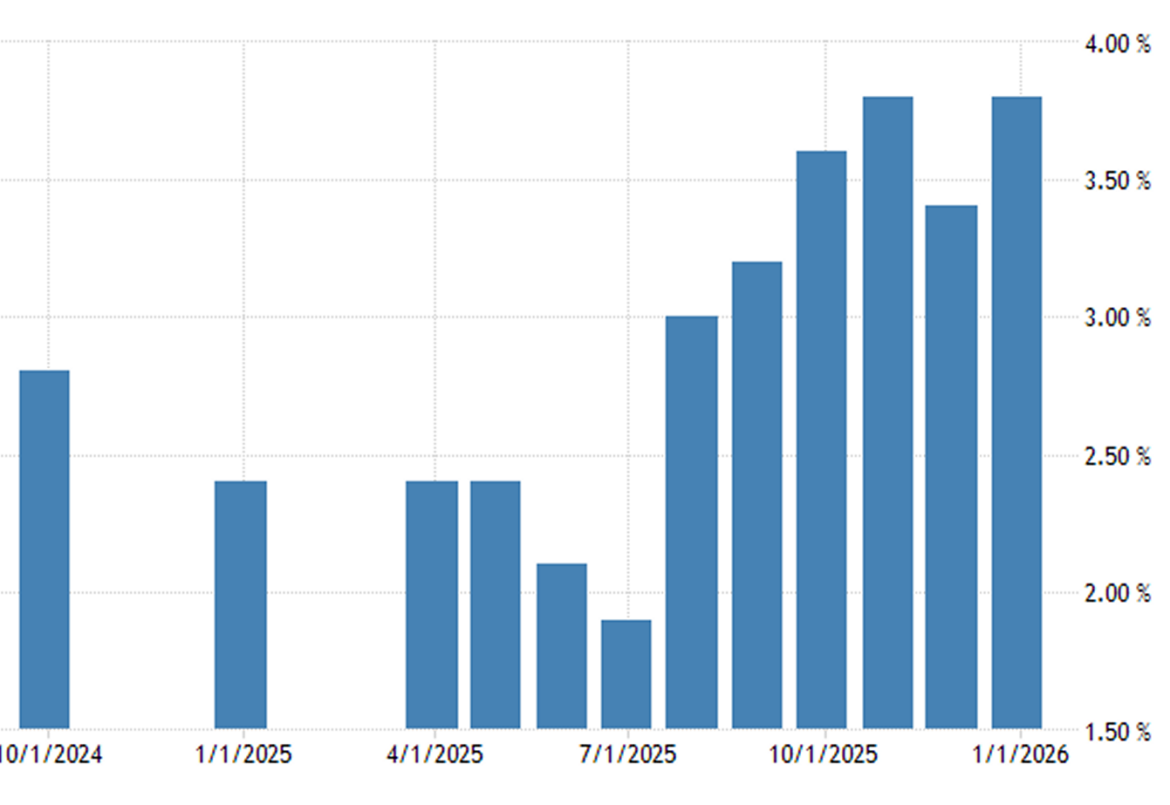
Inflation remains a central concern for Australia’s economy, affecting households, businesses, and government policy. Defined as the sustained increase in the general price level of goods and services, inflation directly influences purchasing power, interest rates, and economic stability. In 2026, Australia continues to experience pressures from both domestic and global factors, making it essential to understand the underlying causes and potential consequences.

Understanding Inflation

Inflation is measured through indices such as the Consumer Price Index (CPI) and reflects changes in the cost of living over time. Moderate inflation is generally considered a sign of a growing economy, encouraging spending and investment. However, high or unpredictable inflation can erode real incomes, create uncertainty for businesses, and undermine economic confidence. Policymakers aim to maintain inflation within target ranges to balance growth and stability.

Domestic Causes of Inflation

Several domestic factors contribute to inflation in Australia. Wage growth, labor market tightness, and rising production costs can drive prices upward. When businesses face higher input costs—such as energy, raw materials, or rent—they often pass these costs on to consumers, leading to cost-push inflation.

Consumer demand also influences price levels. Strong consumer confidence and increased spending can generate demand-pull inflation, particularly if supply cannot keep pace with demand. Housing market dynamics, including rising property prices and rents, further contribute to household expenditure increases.

Global Influences on Inflation

Australia’s open economy makes it sensitive to global economic conditions. Commodity price fluctuations, exchange rate movements, and international supply chain disruptions all impact domestic prices. For example, changes in oil or gas prices affect transportation and energy costs, while global food price shifts influence grocery bills.

International trade tensions, geopolitical instability, and changes in global interest rates can also contribute to inflationary pressures. A depreciating Australian dollar, for instance, increases the cost of imported goods, amplifying domestic price rises. Consequently, Australia’s inflation is both a local and global phenomenon, shaped by interconnected economic forces.

Government Policy and Monetary Measures

Government and central bank policies play a key role in managing inflation. The Reserve Bank of Australia (RBA) uses monetary tools, particularly the official cash rate, to influence borrowing, spending, and investment. Raising interest rates can moderate demand and curb inflation, while lowering rates can stimulate economic activity during periods of low inflation.

Fiscal policies, including taxation, subsidies, and public spending, also impact inflation indirectly. Infrastructure investments, social welfare adjustments, and regulatory changes can either dampen or amplify price pressures. Coordinated policy responses are therefore critical to maintaining price stability.

Pages: 1 2

Advertisement

Interest rates in Australia play a central role in the economy, directly affecting homeowners, prospective buyers, and the housing market. The Reserve Bank of Australia (RBA) sets the official cash rate, which influences mortgage rates, lending conditions, and consumer confidence. In 2026, homeowners face a landscape shaped by economic recovery, inflation pressures, and global monetary trends. Understanding these factors is crucial for planning, budgeting, and financial decision-making.

The Role of the Reserve Bank of Australia

The Reserve Bank of Australia is responsible for maintaining monetary stability and promoting economic growth. By adjusting the official cash rate, the RBA seeks to control inflation while supporting employment and sustainable economic activity. When the RBA raises rates, borrowing costs increase, making mortgages and other loans more expensive. Conversely, rate cuts aim to stimulate spending and investment.

Homeowners must monitor RBA announcements, as changes in the cash rate typically translate into adjustments in variable and some fixed mortgage rates. Even modest shifts can have significant financial implications for households with large or long-term mortgage obligations.

Factors Influencing Interest Rate Decisions

Interest rate decisions are influenced by a combination of domestic and global factors. Domestic considerations include inflation trends, wage growth, consumer spending, and housing market activity. In 2026, persistent inflation pressures and rising housing demand may prompt cautious rate adjustments to maintain economic balance.

Global factors also play a role. Economic conditions in major trading partners, commodity price volatility, and global monetary policies affect capital flows and exchange rates, which in turn influence the RBA’s decisions. Coordinating domestic and international considerations ensures that Australian monetary policy remains effective and credible.

Impact on Mortgage Holders

Interest rate movements have immediate consequences for homeowners. Variable-rate mortgages are particularly sensitive, with monthly repayments increasing or decreasing in response to RBA decisions. Even small rate adjustments can translate into significant changes in annual housing costs, affecting household budgets and discretionary spending.

Fixed-rate mortgage holders experience delayed effects, as their interest is locked in for a predetermined period. However, approaching the end of a fixed-term contract requires careful consideration of prevailing market rates and potential refinancing costs. Homeowners are encouraged to plan proactively and assess the affordability of rate changes over the long term.

Pages: 1 2

Advertisement

The Australian dollar (AUD) remains a critical indicator of the country’s economic health, reflecting both domestic conditions and global market dynamics. As 2026 progresses, analysts, investors, and policymakers are closely monitoring factors that influence AUD fluctuations, including trade balances, interest rates, commodity prices, and geopolitical developments. Understanding these influences is essential for businesses, exporters, importers, and individual investors who are exposed to currency risk.

Economic Fundamentals and Domestic Policy

Domestic economic conditions are a primary determinant of AUD value. Key indicators such as GDP growth, unemployment rates, inflation, and consumer confidence directly affect investor perceptions of the currency. In 2026, Australia’s economic performance is shaped by post-pandemic recovery dynamics, labor market trends, and government fiscal policies.

Monetary policy, particularly the stance of the Reserve Bank of Australia (RBA), plays a crucial role. Decisions regarding interest rates and liquidity directly influence capital flows and the relative attractiveness of AUD compared to other currencies. A higher interest rate environment typically strengthens the currency by attracting foreign investment, while rate cuts or quantitative easing can exert downward pressure.

Trade Balance and Export Performance

Australia’s position as a resource-rich economy means that trade dynamics significantly influence the AUD. Key export commodities, including iron ore, coal, natural gas, and agricultural products, drive foreign exchange inflows. Demand from major trading partners, particularly China, Japan, and South Korea, affects export revenues and, consequently, currency strength.

Trade balance shifts—whether due to global price volatility, supply chain disruptions, or changes in demand—can lead to rapid AUD fluctuations. A surplus generally supports appreciation, while deficits exert downward pressure. In 2026, global commodity market volatility is a critical factor shaping expectations for the Australian dollar.

Global Economic Conditions and Risk Sentiment

The AUD is often classified as a “risk-sensitive” currency, reacting to global economic conditions and investor sentiment. During periods of strong global growth and market confidence, AUD typically appreciates, reflecting higher demand for Australian assets. Conversely, global uncertainty, financial market volatility, or geopolitical tensions often trigger capital flight to perceived safe-haven currencies such as the US dollar, resulting in AUD depreciation.

International inflation trends, central bank policies in major economies, and global interest rate differentials also influence AUD. For example, monetary tightening by the US Federal Reserve or the European Central Bank can create downward pressure on the Australian dollar by altering relative yield attractiveness.

Pages: 1 2

Advertisement

logo

Disclaimer: This website provides information for informational purposes only and accepts no responsibility for decisions made by users. We recommend that you carefully review all details and consult a professional.

All rights reserved © 2026