Human Rights and Political Disagreements
Human rights remain a persistent source of disagreement. Australia has criticized China on issues such as freedom of expression, treatment of ethnic minorities, and the situation in Hong Kong. These positions, while broadly supported domestically and among Western allies, have been framed by Chinese authorities as interference in internal affairs.
Advertisement
This dynamic affects public opinion and policy formation. Politicians must navigate between ethical imperatives, electoral accountability, and economic risk. The tension underscores the difficulty of separating moral concerns from strategic and commercial interests in bilateral relations.
Diplomatic Efforts and Current Challenges
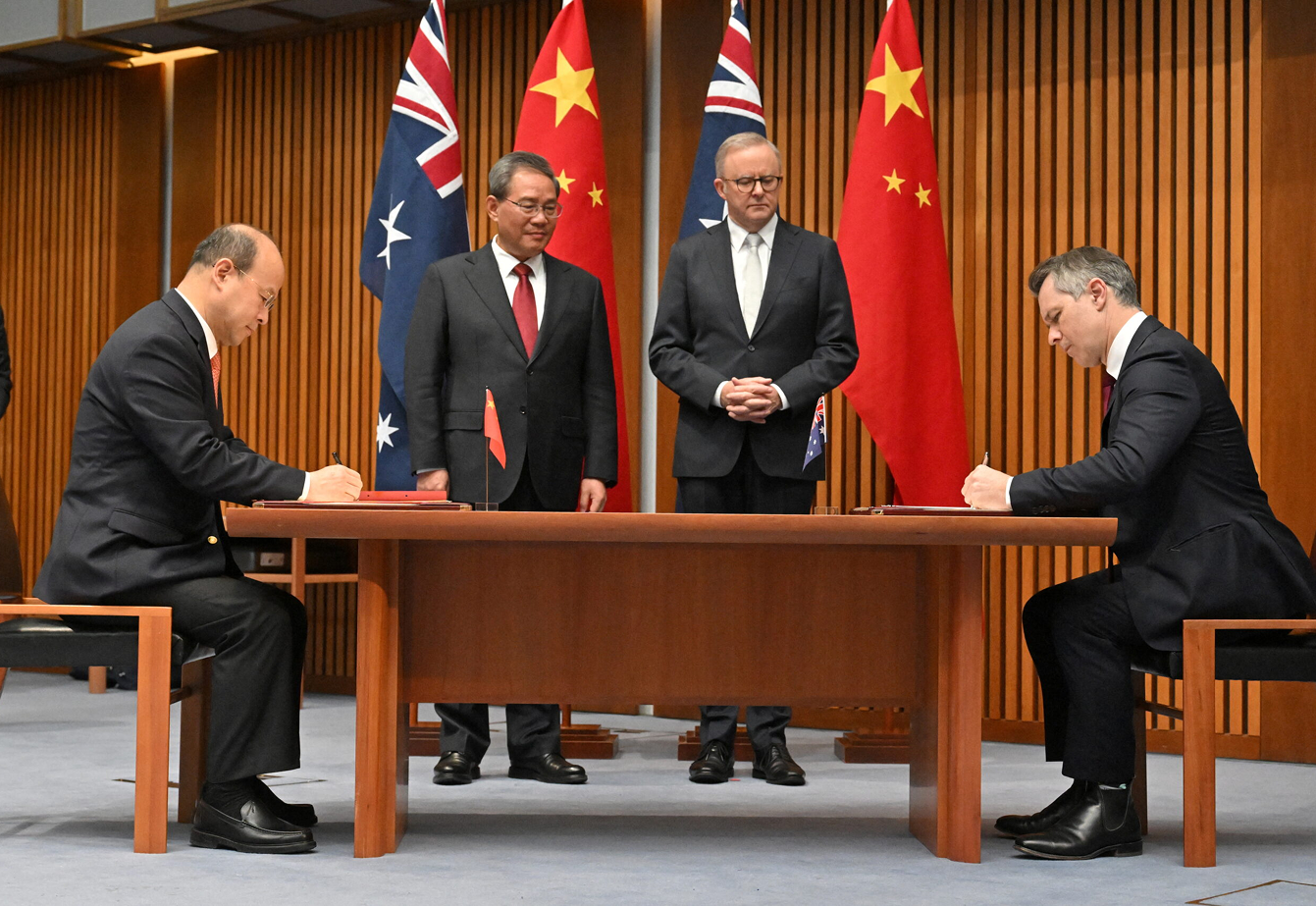
Despite challenges, both countries continue formal diplomatic engagement. High-level meetings, trade negotiations, and regional forums provide avenues for dialogue. However, mutual suspicion and domestic political pressures limit the effectiveness of such engagement. Trust deficits are deepened by media portrayals, public sentiment, and prior experiences of perceived coercion or pressure.
Diplomatically, Australia seeks a careful balance: maintaining open economic channels while asserting political and strategic autonomy. The government faces scrutiny over whether its policies effectively protect national interests without unnecessarily escalating conflict.
Implications for Australia
The current state of Australia–China relations has broad domestic implications. Economic vulnerability, particularly in commodity exports, highlights the importance of trade diversification. Politically, the situation influences election discourse, public confidence in foreign policy, and debates about national security priorities.
Furthermore, regional stability is affected. Australia must navigate its security commitments while avoiding actions that might inadvertently escalate tensions. The complexity of the relationship underscores the need for nuanced, evidence-based policymaking.
Conclusion
Australia–China relations today are defined by a mixture of interdependence and strategic rivalry. Trade disputes, security concerns, human rights debates, and diplomatic challenges collectively shape the bilateral dynamic. For Australia, managing this tension requires balancing economic interests, political principles, and regional security responsibilities. While engagement remains necessary, policymakers must approach the relationship with a careful, strategic mindset to safeguard national interests and maintain regional stability.