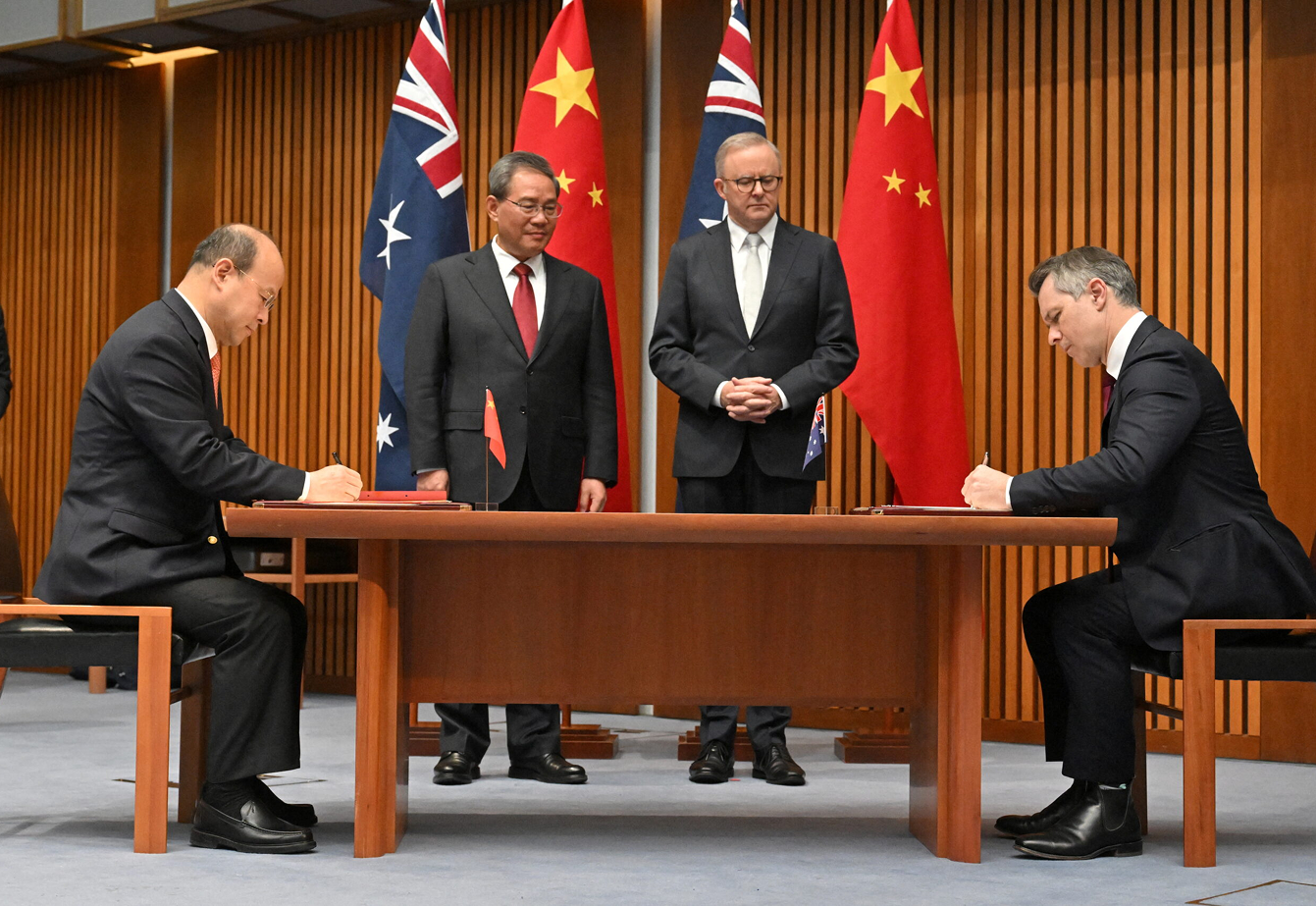
Australia’s relationship with China has entered a period of significant tension, reflecting broader geopolitical shifts in the Indo-Pacific region. Once defined by strong trade links and diplomatic cooperation, the bilateral relationship has increasingly been characterized by distrust, regulatory conflicts, and political disagreements. These tensions have important implications for Australia’s domestic politics, economic stability, and regional security posture.
Advertisement
Historical Context of Bilateral Relations
For decades, China has been Australia’s largest trading partner, and the two nations maintained a pragmatic approach centered on economic interdependence. Key exports such as iron ore, coal, and agricultural products underpinned decades of economic growth in Australia, while China benefited from a reliable supply of raw materials to support its industrial expansion.
However, the relationship has always been complex. While trade flourished, underlying strategic differences existed. Australia’s alliance with the United States, its participation in regional security arrangements, and occasional criticism of human rights issues in China have created friction points, though they were largely manageable in the past.
Economic Leverage and Trade Disputes
Economic relations are at the heart of current tensions. In recent years, China has imposed tariffs, import bans, and regulatory barriers on Australian products including barley, wine, coal, and meat. These measures were perceived in Canberra as politically motivated responses to Australian government positions on security, foreign policy, and human rights.
Such disputes have significant domestic consequences. Australian exporters face uncertainty, and regional supply chains are disrupted. Policymakers are pressured to balance economic pragmatism with national security priorities, creating debate over diversification of trade partners and resilience of export markets.
Security Concerns and Strategic Rivalry
Strategic considerations have further strained the relationship. Australia’s participation in security alliances, including the AUKUS pact and intelligence-sharing arrangements, positions it within a geopolitical framework often viewed by China as adversarial. Concerns about Chinese influence in Australian political, academic, and business sectors have led to the introduction of stricter foreign interference laws.
Military posturing and regional naval activities have reinforced perceptions of rivalry. Australia’s strategic policy increasingly emphasizes sovereignty, territorial security, and alignment with likeminded partners, complicating diplomatic engagement with Beijing.