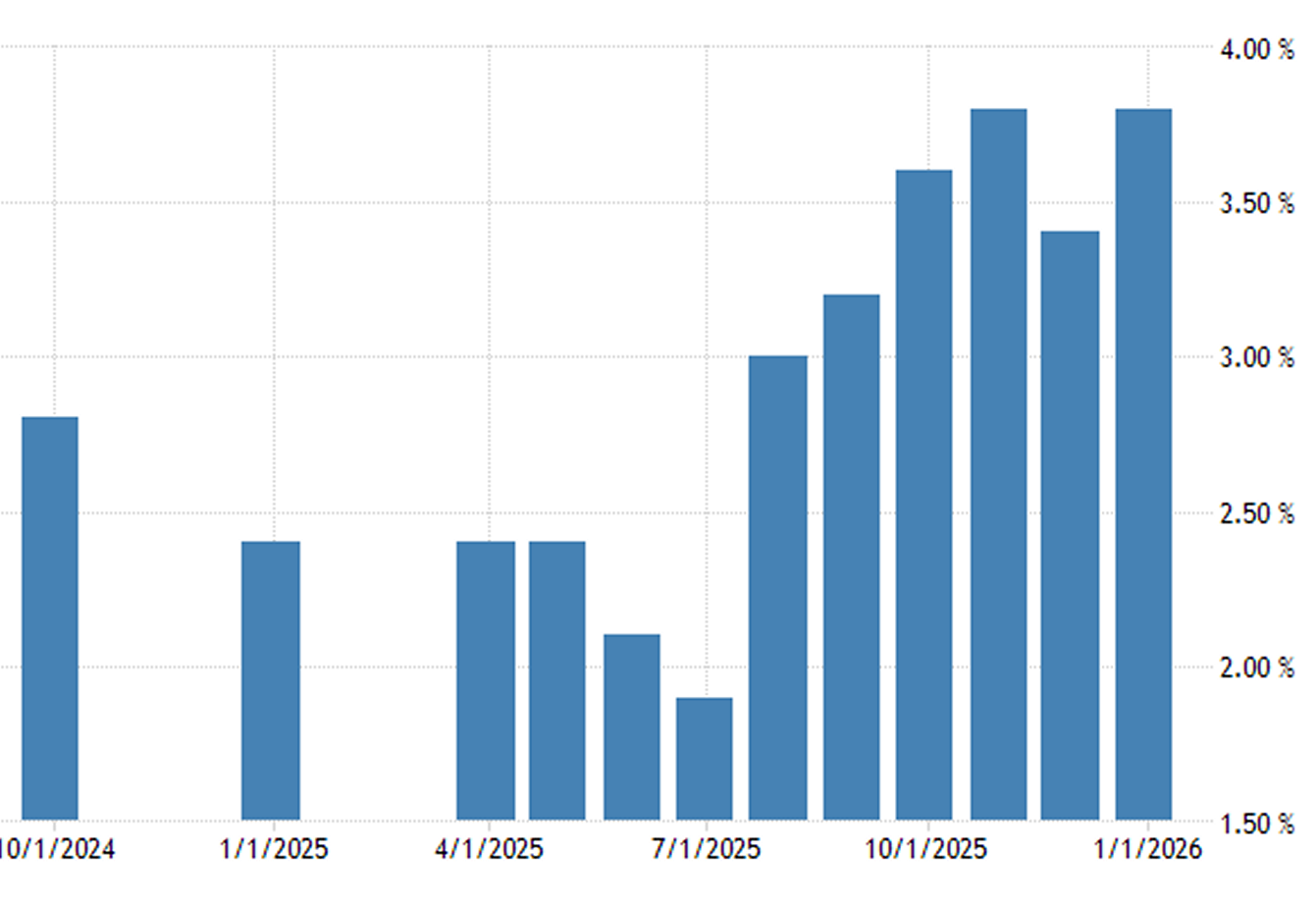
Consequences for Households
Inflation directly affects household purchasing power. As prices rise, the real value of wages and savings declines, making everyday expenses such as groceries, housing, and utilities more costly. Lower- and middle-income households are particularly vulnerable, as a larger portion of their income is spent on essential goods and services.
Advertisement
High inflation can also influence financial behavior. Households may accelerate spending to avoid higher future prices, potentially exacerbating demand-pull inflation. Conversely, uncertainty about price stability can reduce consumption, slowing economic growth and affecting confidence in the broader economy.
Impact on Businesses and Investment
Businesses are affected by both the costs and expectations associated with inflation. Rising input costs can reduce profit margins if prices cannot be adjusted accordingly. Planning and investment decisions become more complex when inflation is unpredictable, potentially reducing long-term capital expenditure.
On the other hand, moderate inflation can benefit debtors and asset holders by reducing the real value of liabilities and increasing nominal revenues. Strategic planning and financial risk management are essential for businesses to navigate these effects and maintain competitiveness.
Broader Economic Implications
Sustained inflation affects macroeconomic stability. High or volatile inflation can undermine monetary credibility, influence international investment decisions, and affect Australia’s competitiveness in global markets. Conversely, low or stable inflation supports predictable economic growth, encouraging investment, trade, and long-term planning.
Policymakers must balance multiple objectives: controlling inflation, supporting employment, and fostering economic development. The interplay of domestic demand, supply constraints, and global economic conditions makes this task complex and requires continuous monitoring and adjustment.
Conclusion
Inflation in Australia is driven by a combination of domestic and global factors, including wage growth, commodity prices, consumer demand, and policy decisions. Its consequences affect households, businesses, and the broader economy, influencing purchasing power, investment decisions, and economic stability. Effective management through monetary and fiscal policy is essential to ensure that inflation remains within target ranges, supporting sustainable growth and preserving confidence in the Australian economy. Understanding the causes and potential consequences of inflation enables both policymakers and the public to navigate its challenges in 2026 and beyond.