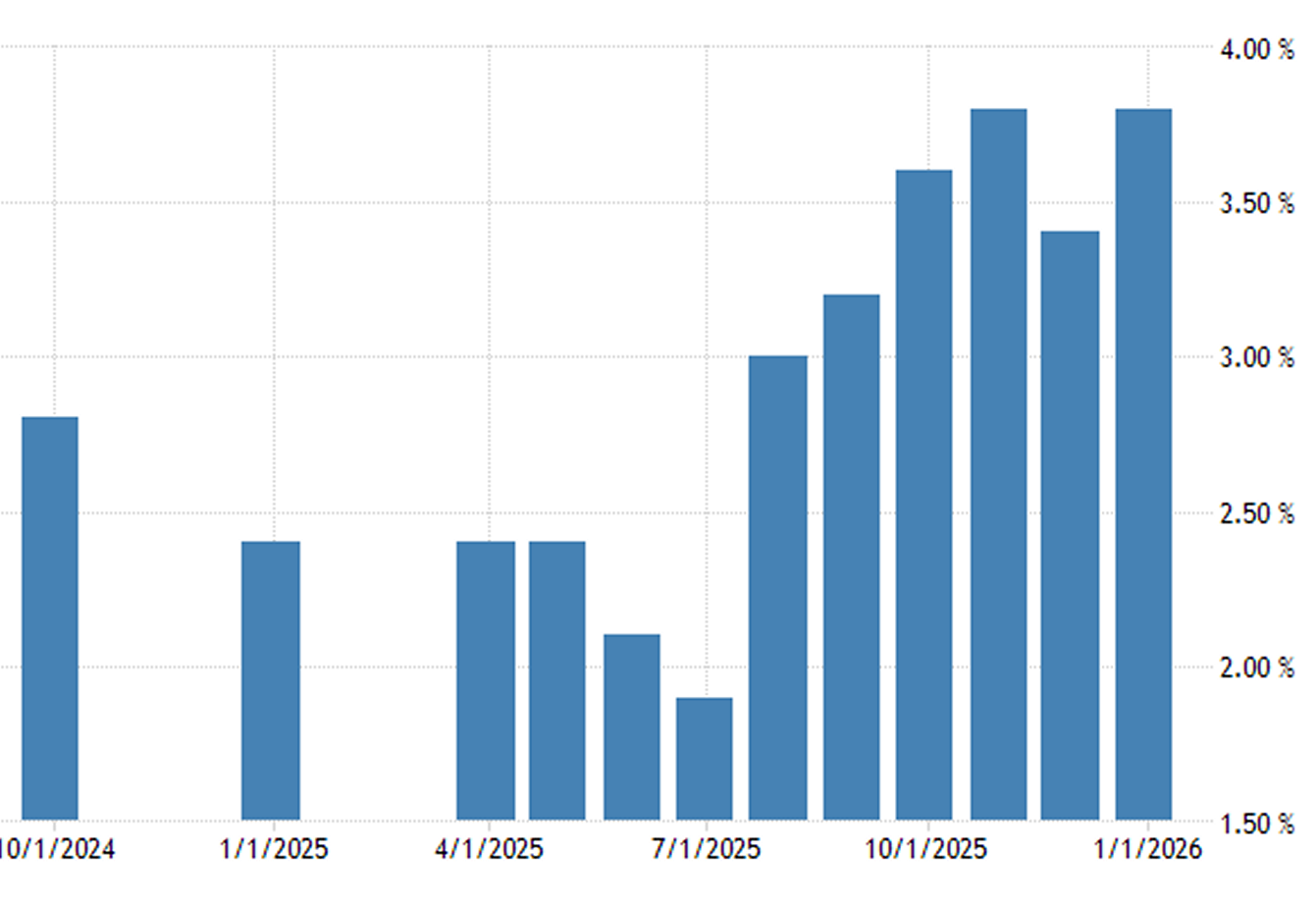
Inflation remains a central concern for Australia’s economy, affecting households, businesses, and government policy. Defined as the sustained increase in the general price level of goods and services, inflation directly influences purchasing power, interest rates, and economic stability. In 2026, Australia continues to experience pressures from both domestic and global factors, making it essential to understand the underlying causes and potential consequences.
Advertisement
Understanding Inflation
Inflation is measured through indices such as the Consumer Price Index (CPI) and reflects changes in the cost of living over time. Moderate inflation is generally considered a sign of a growing economy, encouraging spending and investment. However, high or unpredictable inflation can erode real incomes, create uncertainty for businesses, and undermine economic confidence. Policymakers aim to maintain inflation within target ranges to balance growth and stability.
Domestic Causes of Inflation
Several domestic factors contribute to inflation in Australia. Wage growth, labor market tightness, and rising production costs can drive prices upward. When businesses face higher input costs—such as energy, raw materials, or rent—they often pass these costs on to consumers, leading to cost-push inflation.
Consumer demand also influences price levels. Strong consumer confidence and increased spending can generate demand-pull inflation, particularly if supply cannot keep pace with demand. Housing market dynamics, including rising property prices and rents, further contribute to household expenditure increases.
Global Influences on Inflation
Australia’s open economy makes it sensitive to global economic conditions. Commodity price fluctuations, exchange rate movements, and international supply chain disruptions all impact domestic prices. For example, changes in oil or gas prices affect transportation and energy costs, while global food price shifts influence grocery bills.
International trade tensions, geopolitical instability, and changes in global interest rates can also contribute to inflationary pressures. A depreciating Australian dollar, for instance, increases the cost of imported goods, amplifying domestic price rises. Consequently, Australia’s inflation is both a local and global phenomenon, shaped by interconnected economic forces.
Government Policy and Monetary Measures
Government and central bank policies play a key role in managing inflation. The Reserve Bank of Australia (RBA) uses monetary tools, particularly the official cash rate, to influence borrowing, spending, and investment. Raising interest rates can moderate demand and curb inflation, while lowering rates can stimulate economic activity during periods of low inflation.
Fiscal policies, including taxation, subsidies, and public spending, also impact inflation indirectly. Infrastructure investments, social welfare adjustments, and regulatory changes can either dampen or amplify price pressures. Coordinated policy responses are therefore critical to maintaining price stability.