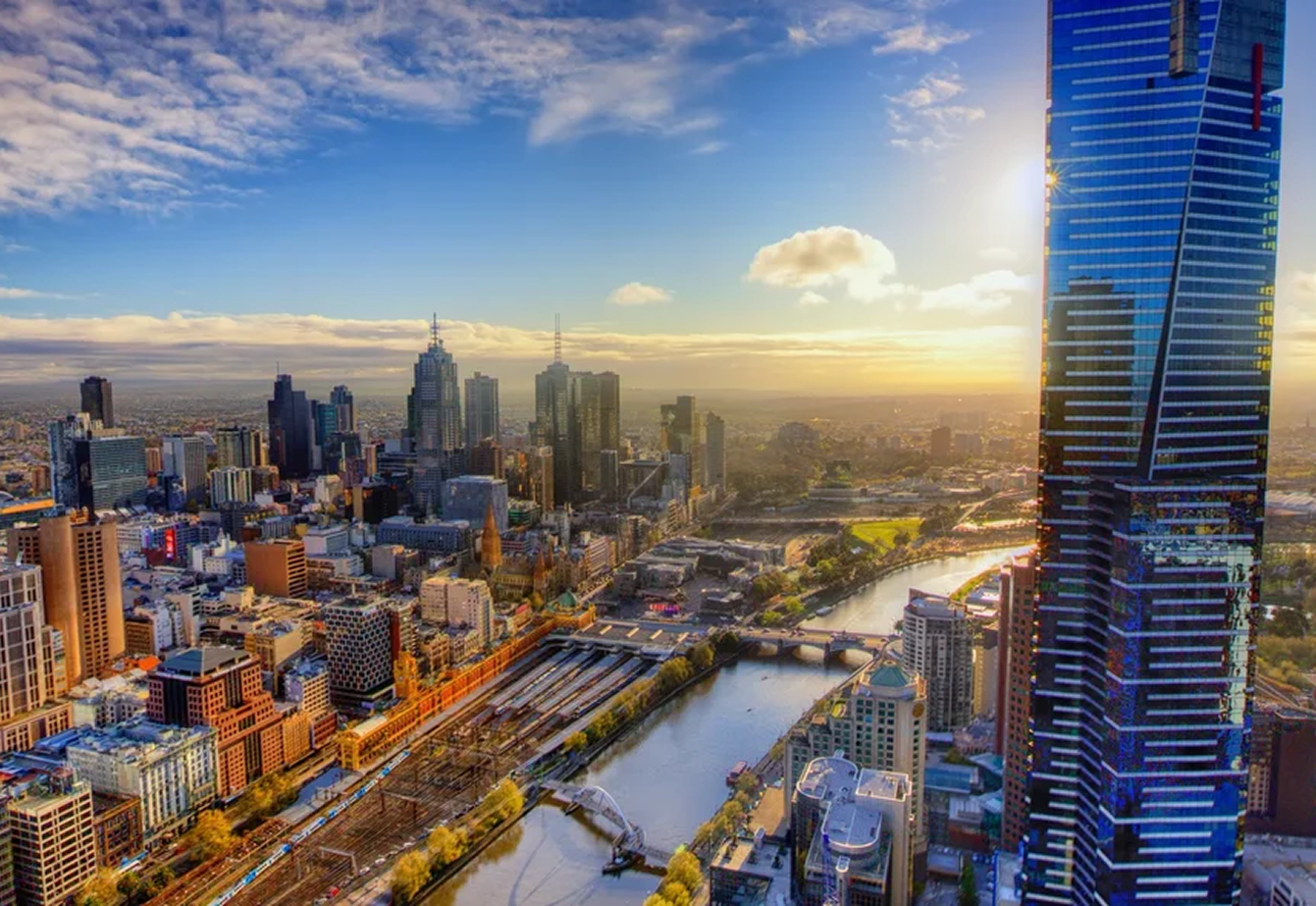
Australia’s real estate market is a dynamic sector that plays a crucial role in the country’s economy. Housing demand, urban development, investment patterns, and government policies shape property markets across major cities such as Sydney, Melbourne, Brisbane, and Perth. Understanding current trends, challenges, and opportunities is essential for homebuyers, investors, and policymakers seeking to navigate the urban real estate landscape.
Advertisement
Overview of Australia’s Urban Housing Market
Major Australian cities have experienced sustained population growth, driven by immigration, urbanization, and internal migration. This growth fuels demand for housing, both for ownership and rental purposes, while influencing property prices, rental yields, and construction activity. Urban centers, with their concentration of employment, education, and lifestyle amenities, remain highly desirable locations for residents and investors alike.
The market is shaped by the interplay between supply constraints, demand pressures, and macroeconomic factors such as interest rates and inflation. Balancing affordability with investment potential remains a key challenge in maintaining stable urban housing markets.
Sydney: High Demand and Price Pressures
Sydney continues to be Australia’s most expensive real estate market. Strong domestic and international demand, coupled with limited land availability in central and inner suburbs, has contributed to high property prices and competitive sales markets. Luxury apartments, waterfront properties, and high-density developments attract both local buyers and foreign investors.
Government initiatives aimed at first-time buyers, including grants and stamp duty concessions, seek to improve accessibility. However, affordability pressures persist, particularly for younger and lower-income households, influencing migration and lifestyle choices within the city.
Melbourne: Diverse Development and Population Growth
Melbourne’s real estate market is characterized by rapid urban development, diverse housing stock, and strong population growth. Inner-city apartments, suburban family homes, and regional properties reflect a varied market that caters to multiple demographics. Infrastructure projects, including transport and urban renewal programs, enhance connectivity and residential appeal.
Melbourne has experienced periods of volatility influenced by economic cycles, migration trends, and interest rate adjustments. Long-term growth potential remains strong, supported by ongoing population expansion and investment in urban infrastructure.
Brisbane: Emerging Investment Opportunities
Brisbane has become an increasingly attractive market for investors and homebuyers seeking affordability relative to Sydney and Melbourne. The city’s growing population, expanding employment opportunities, and infrastructure development contribute to rising demand. Residential developments, particularly in the inner city and emerging suburbs, offer diverse housing options.
The upcoming 2032 Olympic Games is expected to drive further investment, stimulate infrastructure projects, and boost property demand in the medium term. Brisbane’s real estate market illustrates the potential for regional urban centers to provide growth opportunities outside the traditional high-cost markets.